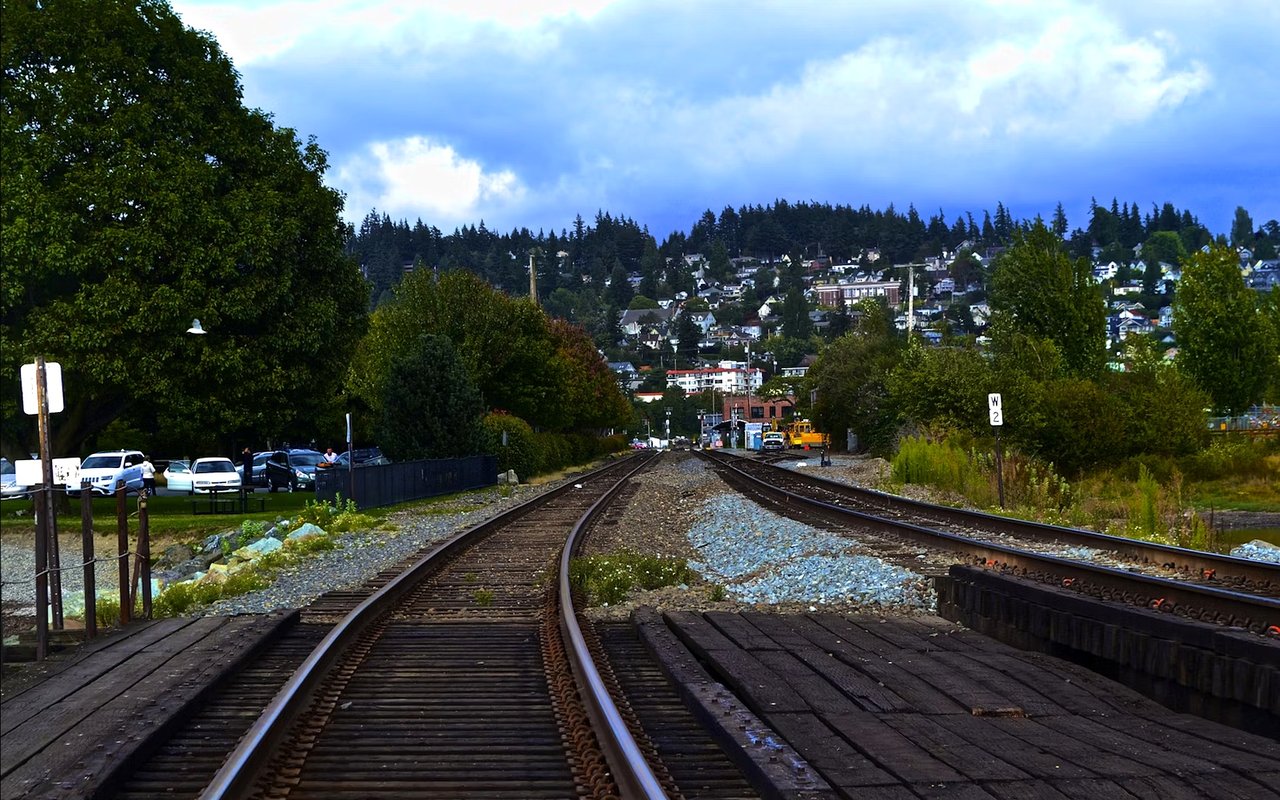
How Seattle’s Light Rail Project Is Boosting Real Estate
Seattle’s growing light rail network is changing the city's shape. With new stations opening steadily and several extensions planned through the next two decades, the Seattle light rail project is more than a transportation upgrade; it’s a driver of long-term real estate growth. Sellers, buyers, and investors are seeing firsthand how proximity to rail lines influences property values, development patterns, and neighborhood identity.
Few factors affect home values more directly than accessibility. Properties near existing or future light rail stations consistently show stronger appreciation because they connect residents to significant employment and entertainment districts without needing a car. The Seattle light rail project currently links communities from Angle Lake in the south to Northgate in the north, with plans to reach West Seattle, Ballard, and the Eastside.
Neighborhoods like Roosevelt, Capitol Hill, and Northgate have already seen measurable gains since light rail stations opened nearby. A home just a short walk from a station can sell quickly and often for a higher price than comparable listings farther away. For sellers, emphasizing rail access can make a listing stand out, particularly to buyers who prioritize convenience and sustainability.
The Seattle light rail project is effectively redrawing the city’s map, expanding the desirable areas for modern urban living. Transit-oriented development (TOD) is reshaping districts around stations into compact, walkable hubs with mixed-use buildings, retail options, and public gathering spaces. Developers are focusing on maximizing the benefits of transit by designing communities that reduce car dependency and improve livability.
In areas like Ballard and West Seattle, upcoming light rail stops are attracting new residential projects, restaurants, and small businesses. This concentrated investment lifts surrounding property values and strengthens the neighborhood’s overall appeal. Buyers increasingly see these transit-linked districts as complete communities, while sellers gain from higher visibility and renewed local energy.
Investors closely track infrastructure projects, and the light rail system is one of the most influential forces shaping Seattle’s investment landscape. Rental properties near light rail stations are in high demand, especially among professionals seeking affordable living options with quick commutes to downtown or the University District. As the network expands, more neighborhoods outside the prime rental core become viable investment zones.
Areas such as Columbia City, North Beacon Hill, and Roosevelt illustrate how light rail proximity can increase rental stability. Landlords experience fewer vacancies and more substantial cash flow because tenants value the convenience of reliable public transit. Sellers of rental properties in these districts benefit from heightened investor interest, which can lead to competitive offers and faster closings.
The Seattle light rail project has prompted the city to revisit its zoning strategy, particularly around station areas. To accommodate growth and encourage density, Seattle has relaxed height restrictions, reduced parking requirements, and introduced zoning for mixed-use development in several transit corridors.
For property owners, these updates can translate into significant appreciation. A parcel that once supported a single-family home may suit townhomes, multi-family housing, or retail-residential combinations. Sellers positioned near upcoming stations are finding that developers and builders are interested in acquiring properties for redevelopment.
The impact of the light rail project extends beyond the trains and stations themselves. Each expansion phase includes improvements to streetscapes, sidewalks, landscaping, and bike lanes. These infrastructure upgrades enhance livability and visual appeal, contributing to property appreciation across nearby neighborhoods.
For example, in Roosevelt and Capitol Hill, light rail construction coincided with broader infrastructure investments, including new pedestrian crossings, public art installations, and improved lighting. These amenities directly benefit residents and signal buyers that the city is investing in long-term neighborhood enhancement. Sellers can use these visible improvements to highlight how the surrounding area evolves into a more connected, attractive, and accessible environment.
Timing is crucial in maximizing real estate value related to transit expansion. Properties near stations that are under construction often appreciate even before trains start running. Buyers anticipate the benefits of future connectivity and are willing to pay a premium for early access. Once a station opens, values typically stabilize at a higher level, though further appreciation may follow as new businesses and amenities move in.
Sellers who understand these cycles can better position their properties. Listing just before a station opens can capture heightened interest from buyers and investors. Marketing materials should highlight the project’s timeline, expected completion dates, and projected service areas. By aligning a sale with visible progress on the Seattle light rail project, sellers can leverage the momentum of citywide anticipation.
Perhaps the most enduring effect of the light rail expansion is the stability it brings to the real estate market. Large-scale infrastructure projects signal confidence in the city’s growth trajectory. They encourage population retention, reduce traffic congestion, and expand the radius of desirable residential zones. As a result, neighborhoods connected by light rail tend to hold their value better during market fluctuations.
In the long term, the light rail network supports balanced urban growth by distributing demand evenly across Seattle’s neighborhoods. Areas that were once peripheral are becoming integrated into the city’s economic and cultural core. For homeowners and investors, this creates lasting value, ensuring that proximity to light rail remains a permanent and marketable feature.
If you’re considering selling or investing in a property near Seattle’s expanding light rail network, connect with Lake & Company. Their team combines deep local expertise with a clear understanding of how infrastructure and development trends affect property values. With tailored marketing strategies and proven market insight, Lake & Company Real Estate can help you position your property for success in Seattle’s evolving urban landscape.
When you’re ready to find the right home in Seattle real estate or achieve a seamless, top-dollar sale, partner with Lake & Company for guidance.
Stay up to date on the latest real estate trends.
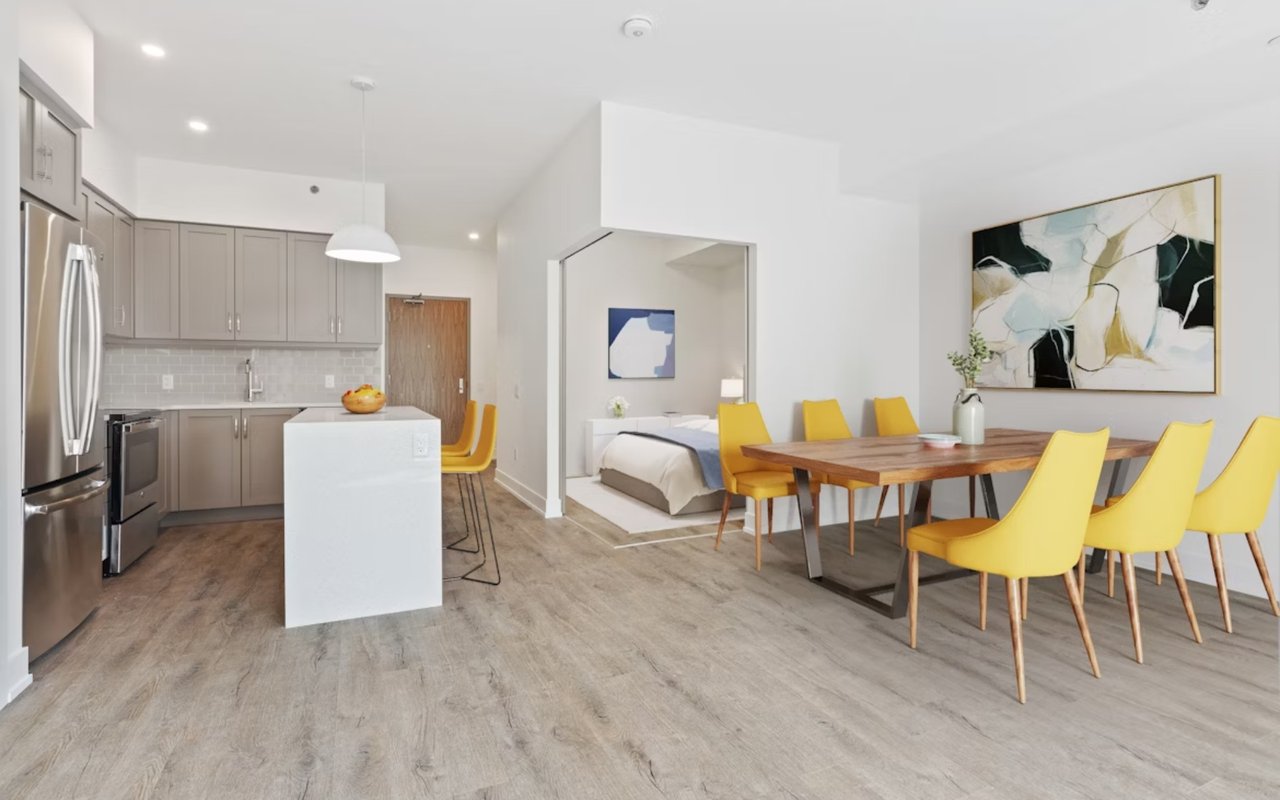
Your next chapter of modern living begins in Seattle — where thoughtful design and energy meet to create the perfect place to call home.

Your guide to selling your Seattle waterfront home for optimal returns.
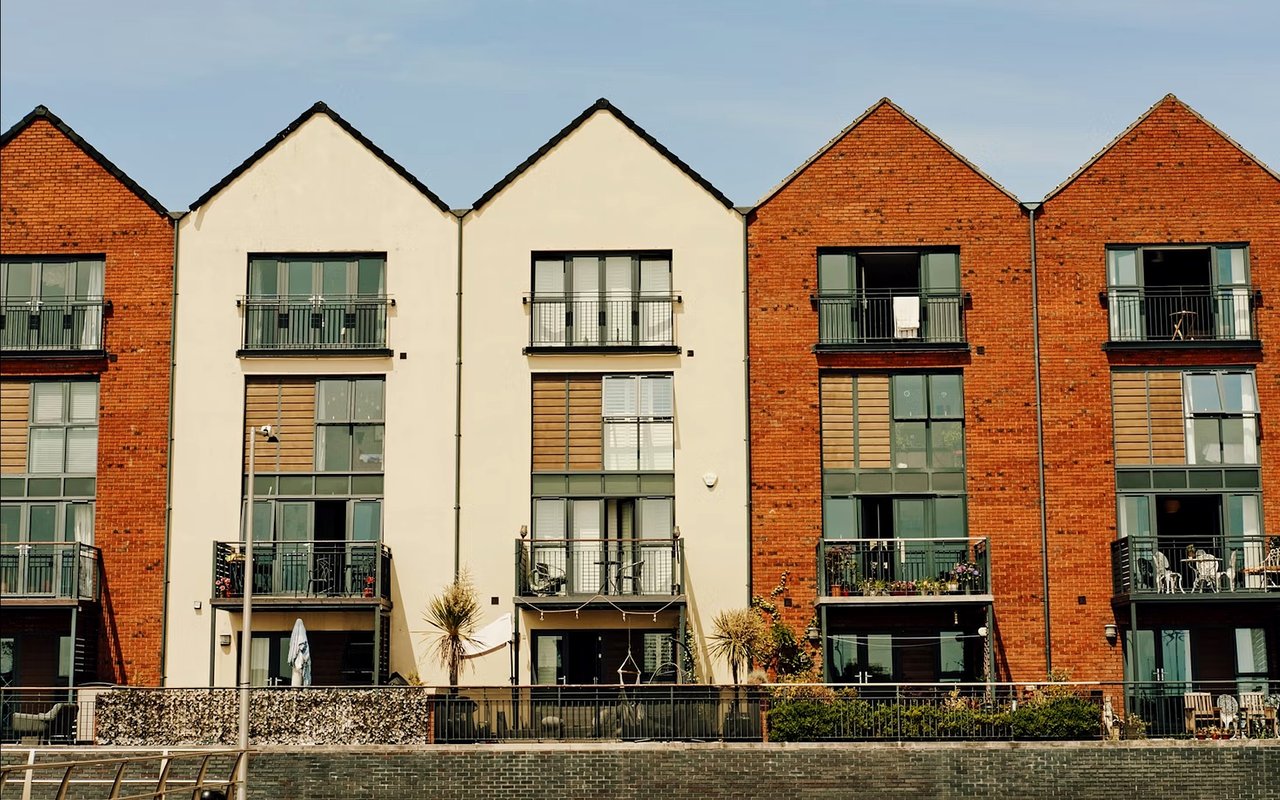
Here are the relevant points on the townhome boom for Seattle sellers.
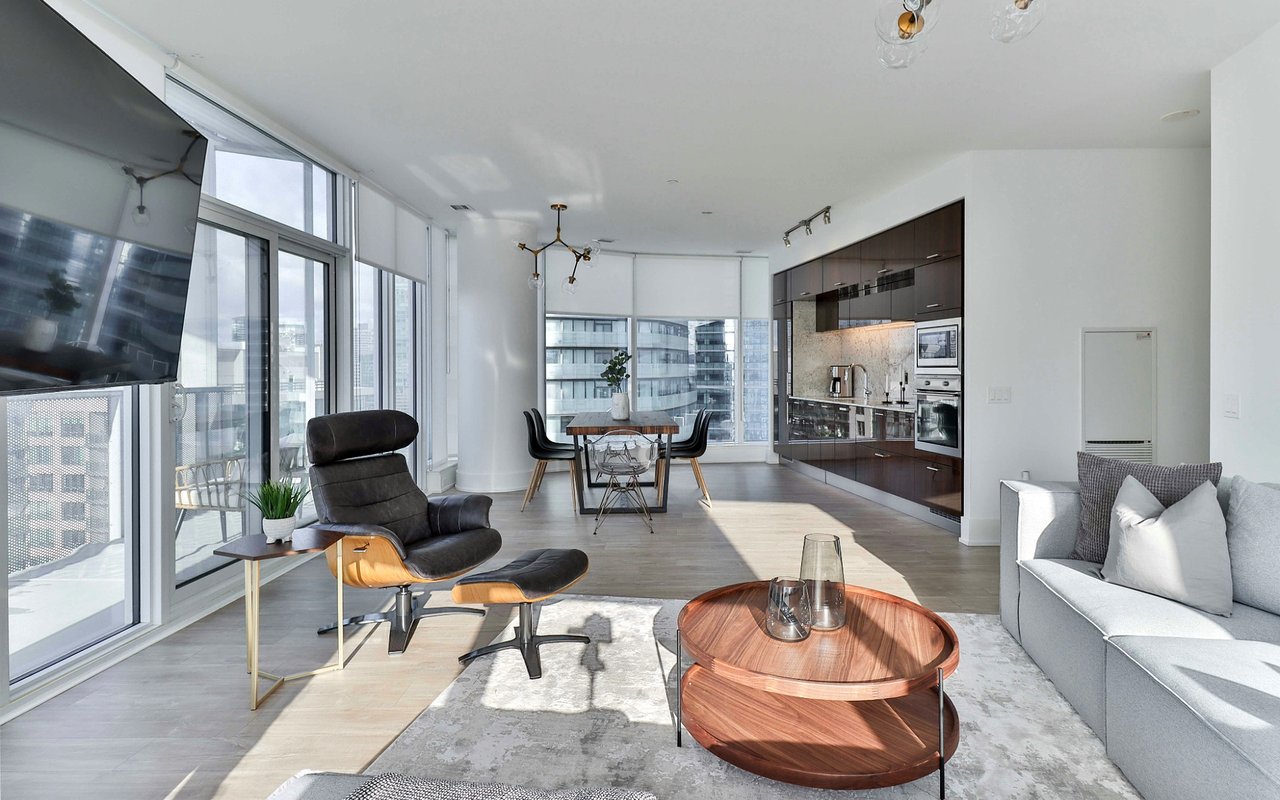
The go-to guide for preparing your condo for top-dollar results.
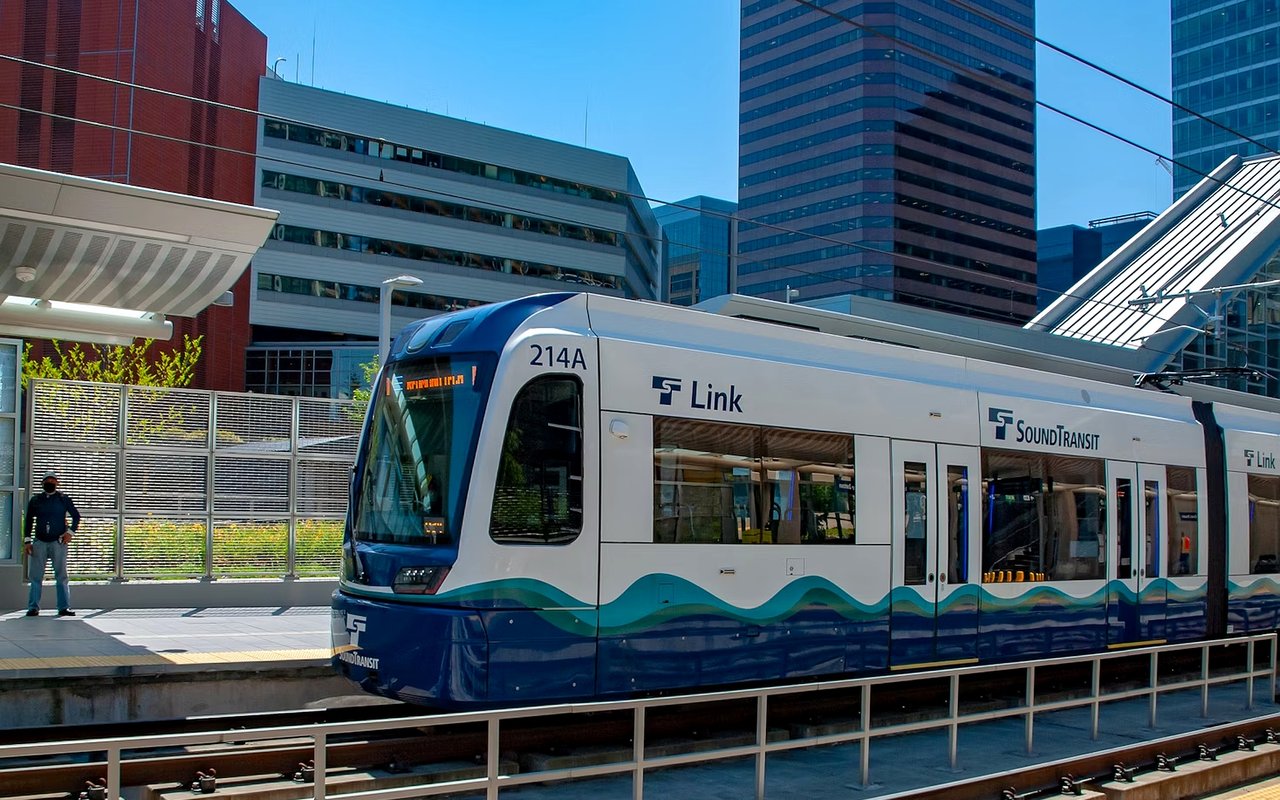
How Seattle’s growing light rail system is shaping the future of real estate and opening new doors for buyers and investors.

These features distinguish Seattle as a singular coffee culture.

Your guide to navigating the real estate market in Seattle and finding the right match.

Get ready to say yes to adventure, opportunity, and a life filled with inspiration; Seattle is ready to welcome you home.

Your guide to what savvy Seattle buyers are searching for.
Lake & Company Real Estate is dedicated to helping you find your dream home and assisting with any selling needs you may have. Contact us today to start your home searching journey!